
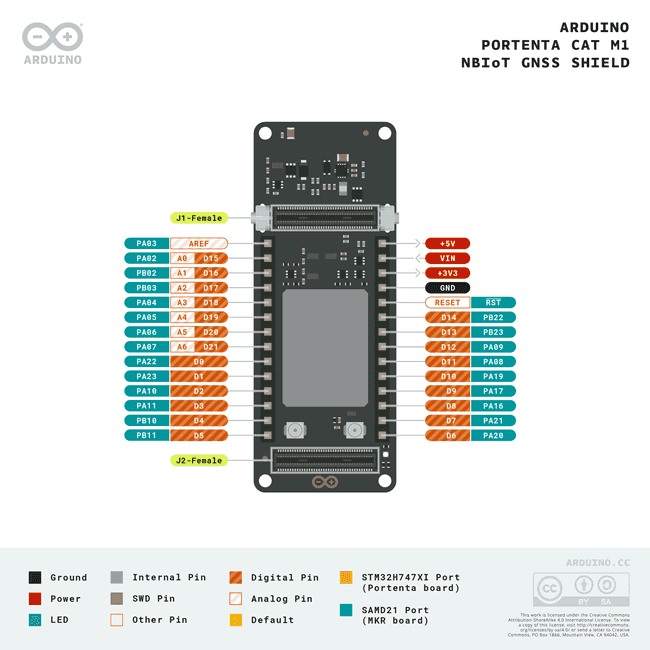


Arduino Portenta Cat.M1/NB IoT GNSS Shield — Cellular + GNSS, Nano-SIM, u.FL
Price may be out of date. Last checked 74 days ago. Confirm it on the shop's page.
From the shop's description
Arduino Portenta Cat.M1/NB IoT GNSS Shield — Cellular + GNSS, Nano-SIM, u.FL ✍️ Introduction Bring low-power cellular and precise positioning to your projects with the Arduino Portenta Cat.M1/NB IoT GNSS Shield . Built around the Thales Cinterion TX62 module, it adds LTE Cat-M1 / NB-IoT connectivity and multi-GNSS (GPS/GLONASS/Galileo/BeiDou) to Portenta and MKR boards—ideal for remote telemetry, asset tracking, and smart-city sensors. GNSS and cellular use dedicated micro u.FL antenna ports; GNSS requires an active antenna . 📦 What’s Included Portenta Cat.M1/NB IoT GNSS Shield (assembled) Quick-start resources (online) Not included: nano-SIM , cellular antenna , and active GNSS antenna (u.FL). ✨ Key Features 📶 Dual 3GPP LPWAN: LTE Cat-M1 / NB-IoT (NB1/NB2) with embedded IPv4/IPv6 stack and secure TLS/DTLS clients (HTTP/MQTT/FTP). 🛰️ Multi-GNSS positioning: GPS, GLONASS, Galileo, BeiDou via u.FL port (3.0 V bias for active antennas). 🔒 Secure & managed: Secure boot, SMS (PDU/Text), AT command control, RGB status LED. 🧰 Portenta/MKR ready: High-density connectors; MKR support with headers. (Not compatible with Portenta Vision Shield at the same time). 🪪 Carrier notes: End-device certification varies by operator—verify with your provider. 📊 Specifications Parameter Value / Notes Cellular module Thales Cinterion TX62-W (onboard) 3GPP tech LTE Cat.M1 / NB-IoT (NB1/NB2) , Rel-14 compliant Peak data rates Cat-M1: DL 300 kbps , UL 1.1 Mbps ; NB1: DL 27 kbps , UL 63 kbps ; NB2: DL 124 kbps , UL 158 kbps GNSS GPS / GLONASS / Galileo / BeiDou (NMEA output); active antenna 3.0 V via u.FL; 50 Ω input; 1559–1606 MHz coverage recommended Antenna ports u.FL cellular (J7) and u.FL GNSS (J8) , 50 Ω each SIM Nano-SIM (physical), required ; eSIM not supported (current datasheet) Host boards Portenta H7 / H7 Lite / H7 Lite Connected ; MKR (with headers) Operating temp −40…+85 °C (note: TX62 may be unstable below −30 °C) Power Powered from host via high-density connector; 3.0 V bias rail for GNSS active antenna Constraint GNSS and cellular cannot be used simultaneously (time-multiplexed use only) 🧰 Compatibility & Tips 🔌 Antennas: Use 50 Ω cellular and active GNSS antennas with u.FL pigtails; route away from metal for best gain. 🪪 SIM: Insert a nano-SIM before powering. (If a provider requires end-device certification, choose a compliant SIM/operator.) 🧭 GNSS setup: Pick a wideband L1 active antenna ( 1559–1606 MHz ) and allow clear sky view. 🧿 Code: Control the modem with AT commands ; Arduino provides HTTP / MQTT client examples in the tutorials/cheat sheet. 🚫 Pairing limits: Do not stack simultaneously with Portenta Vision Shield . 🎯 Use Cases 🚚 Asset tracking with geo-tagged telemetry 🌾 Agri/utility meters over NB-IoT with periodic GNSS fixes 🏭 Industrial monitoring and fleet management dashboards 🛡️ Safety & Handling Handle u.FL gently; support the cable when connecting/disconnecting. Observe ESD precautions around RF connectors and SIM tray. Keep antennas 10–20 cm from people where practical; follow local RF regulations. (General guidance.) 🚚 Quality, Shipping & Batch Notes Each unit inspected for connector alignment and SIM tray action. Minor silkscreen/component changes may occur between batches without affecting function. Ships in anti-static packaging; antennas/SIM not included. 📎 Media & Downloads Official Product Page (Docs): overview, features, pinout , datasheet , schematics , STEP . Datasheet (ASX00027): bands, rates, SIM type, u.FL ports, GNSS bias, temp range, limitations. Getting Started Tutorial: connect, browse via Cat-M1/NB-IoT, sample sketch. Cheat Sheet: quick pins and comms notes. ❓ FAQ Q1: Does it support eSIM ? A: The current datasheet specifies nano-SIM only ; eSIM is not supported at this time. Q2: Can I use GNSS and cellular at the same time ? A: No. The board does not support concurrent GNSS + cellular; switch between them in firmware. Q3: Which antennas do I need? A: A 50 Ω LTE antenna on J7 and an active L1 GNSS antenna (3.0 V bias) on J8 —both u.FL . درع Arduino Portenta Cat.M1/NB IoT GNSS — اتصال خلوي وتحديد مواقع، Nano-SIM وu.FL ✍️ المقدمة يوفّر درع Arduino Portenta Cat.M1/NB IoT GNSS اتصالًا خلويًا منخفض الاستهلاك LTE Cat-M1/NB-IoT مع تحديد مواقع متعدد GNSS (GPS/GLONASS/Galileo/BeiDou) للوحات Portenta و MKR . يعتمد على وحدة Thales Cinterion TX62 ، مع موصلات micro u.FL مستقلة للهوائي الخلوي وهوائي GNSS النشط. مناسب للتتبّع عن بُعد، العدّادات الذكية، ومشاريع المدن الذكية. 📦 ما المرفق درع Portenta Cat.M1/NB IoT GNSS (مجمّع) موارد البدء السريع (عبر الإنترنت) غير مشمول: شريحة nano-SIM ، هوائي خلوي ، هوائي GNSS نشط بموصل u.FL . ✨ الميزات الرئيسية 📶 تقنيات LPWAN مزدوجة: LTE Cat-M1/NB-IoT (NB1/NB2) مع رزم IPv4/IPv6 وخدمات HTTP/MQTT/FTP آمنة (TLS/DTLS). 🛰️ GNSS متعدد: GPS / GLONASS / Galileo / BeiDou عبر u.FL وبجهد تغذية 3.0 فولت للهوائي النشط. 🔒 أمان وإدارة: إقلاع آمن، رسائل SMS (PDU/Text)، التحكم بأوامر AT ومؤشر LED RGB . 🧰 توافق Portenta/MKR: يدعم لوحات Portenta H7 وعائلة MKR (مع رؤوس). (غير متوافق مع Portenta Vision Shield بالتوازي). 🪪 ملاحظة مشغّل الشبكة: قد تختلف شهادات الاعتماد حسب المشغّل—تحقّق قبل النشر. 📊 المواصفات البند القيمة / الملاحظات الوحدة الخلوية Thales Cinterion TX62-W على اللوحة التقنية LTE Cat.M1 / NB-IoT (NB1/NB2) ، متوافق Rel-14 السرعات القصوى Cat-M1: تنزيل 300 كيلوبِت/ث ، رفع 1.1 مِجِبِت/ث ؛ NB1: DL 27 kbps / UL 63 kbps ؛ NB2: DL 124 kbps / UL 158 kbps GNSS GPS/GLONASS/Galileo/BeiDou (خَرْج NMEA)؛ هوائي نشط 3.0 فولت عبر u.FL؛ 50 Ω ؛ نطاق 1559–1606 MHz موصى به منافذ الهوائيات u.FL خلوي (J7) و u.FL GNSS (J8) ، 50 Ω لكل منهما بطاقة SIM Nano-SIM فعلية (مطلوبة) ؛ لا تدعم eSIM حاليًا اللوحات المدعومة Portenta H7/H7 Lite/H7 Lite Connected ؛ MKR (مع رؤوس) درجة التشغيل -40 إلى +85 °م (قد يحدث عدم استقرار تحت −30 °م) التغذية عبر لوحة المضيف؛ خط 3.0 فولت لتغذية هوائي GNSS النشط قيد الاستخدام لا يمكن تشغيل GNSS والخلوي معًا (يتم التبديل برمجيًا) 🧰 التوافق والنصائح 🔌 الهوائيات: استخدم 50 Ω للخلوي و هوائي GNSS نشط مع u.FL ؛ أبعدهما عن المعدن لتحسين الاستقبال. 🪪 الشريحة: أدخِل nano-SIM قبل التشغيل. (تحقّق من متطلبات الاعتماد لدى المشغّل.) 🧭 GNSS: اختر هوائيًا واسع النطاق L1 ( 1559–1606 MHz ) واترك رؤية مفتوحة للسماء. 🧿 البرمجة: تحكم بالأوامر AT ؛ اطّلع على أمثلة HTTP/MQTT في الشروحات والـ Cheat Sheet . 🚫 حدود التكديس: لا تجمعه مع Portenta Vision Shield في نفس الوقت. 📎 الوسائط والتحميلات صفحة المنتج الرسمية (Docs): نظرة عامة وروابط Pinout و Datasheet و Schematics و STEP . الداتا شيت (ASX00027): الحزم، السرعات، نوع SIM، منافذ u.FL، انحياز GNSS، الحرارة، القيود. ابدأ الاستخدام: ربط وتصفح عبر Cat-M1/NB-IoT مع مثال عملي. ورقة الغش (Cheat Sheet): نقاط سريعة حول الأرجل والتواصل. ❓ الأسئلة الشائعة س1: هل يدعم eSIM ؟ ج: بحسب الداتا شيت الحالي: لا —المطلوب nano-SIM فعلية. س2: هل أستطيع تشغيل GNSS والخلوي معًا ؟ ج: غير ممكن ؛ بدّل بينهما برمجيًا حسب الحاجة. س3: ما الهوائيات المناسبة؟ ج: هوائي LTE بعايق 50 Ω على J7 و هوائي GNSS نشط L1 (3.0 فولت) على J8 —كلاهما u.FL .
Read moreShow less
Similar products
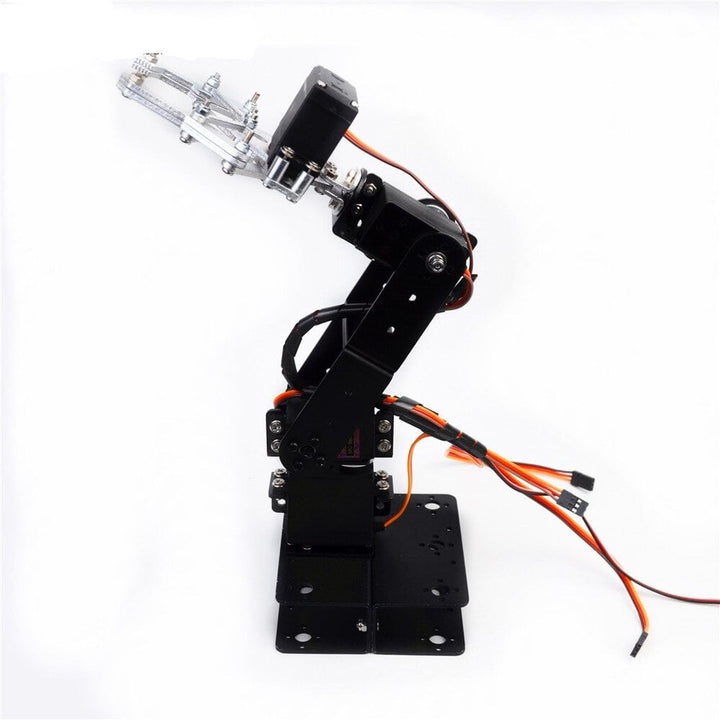 4 DOF Aluminum Robot Arm with 4 MG996 Servo Motors – Assembled Mechanical Robotic Arm Frame with GripperEGP 3,2001 shopPrice may be out of date (74 days)
 AVR Development Kit (Eta32)- FARESEGP 3,1501 shopchecked 13 days ago
 ELECROW Crowbits-Hello Kit with 7 modules, Programming Learning Kit, STEM Project ToysEGP 3,2501 shopchecked 12 days ago
 Total Robotic Vacuum CleanerEGP 3,4201 shopPrice may be out of date (74 days)
 Wet Electrode sEMG Sensor ModuleEGP 2,8001 shopchecked 17 days ago
 Arduino Uno Development Kit- FARESEGP 2,7001 shopchecked 24 days ago
 Lerdge-X ARM32 Mainboard with 4x TMC2208 3.5Inch LCD Touch Screen Control Board DIY Kit for 3D PrinterEGP 2,6001 shopchecked 20 days ago
 JSY-MK-227 100A RS-485 DC Single Channel Acquisition ModuleEGP 2,6001 shopchecked 17 days ago