
ESP32-PICO-D4 BLUETOOTH & WIFI 2.4GHz~2.5GHz QFN-48-EP(7×7) RF Transceiver SMD IC
Part number ESP32-PICO-D4
- Sold by 1 shop · checked today
- 8 similar products, from EGP 325
What the shops say
From Makers Electronics's listing
Description
ESP32-PICO-D4 BLUETOOTH & WIFI SMD IC ESP32-PICO-D4 is an ESP32-based System-in-Package (SIP) from Espressif. The new ESP32-PICO-D4 SIP combines an ESP32 SoC, crystal oscillator, filter capacitors, RF matching links, and 4MB flash, into a single 7mm × 7mm QFN package. Including the passive components in the design means that the new QFN package needs very little external support to be used on our own PCB. With its ultra-small size, robust performance, and low-energy consumption, ESP32-PICO-D4 is well suited for any space-limited or battery-operated applications, such as wearable electronics, medical equipment, sensors, and other IoT products. ESP32-PICO-D4 Pinout Configuration No. | Name | Type | Function 1 | VDDA | P | Analog Power Supply (2.3V ~ 3.6V) 2 | LNA_IN | I/O | RF Input and Output 3 | VDDA3P3 | P | Analog power supply (2.3 V ~ 3.6 V) 4 | VDDA3P3 | P | Analog power supply (2.3 V ~ 3.6 V) 5 | SENSOR_VP | I | GPIO36, ADC1_CH0, RTC_GPIO0 6 | SENSOR_CAPP | I | GPIO37, ADC1_CH1, RTC_GPIO1 7 | SENSOR_CAPN | I | GPIO38, ADC1_CH2, RTC_GPIO2 8 | SENSOR_VN | I | GPIO39, ADC1_CH3, RTC_GPIO3 9 | EN | I | High: On; enables the module Low: Off; the module powers off Note: Do not leave this pin floating. 10 | IO34 | I | GPIO34, ADC1_CH6, RTC_GPIO4 11 | IO35 | I | GPIO35, ADC1_CH7, RTC_GPIO5 12 | IO32 | I/O | GPIO32, 32K_XP (32.768 kHz crystal oscillator input), ADC1_CH4, TOUCH9, RTC_GPIO9 13 | IO33 | I/O | GPIO33, 32K_XN (32.768 kHz crystal oscillator output), ADC1_CH5, TOUCH8, RTC_GPIO8 14 | IO25 | I/O | GPIO25, DAC_1, ADC2_CH8, RTC_GPIO6, EMAC_RXD0 15 | IO26 | I/O | GPIO26, DAC_2, ADC2_CH9, RTC_GPIO7, EMAC_RXD1 16 | IO27 | I/O | GPIO27, ADC2_CH7, TOUCH7, RTC_GPIO17, EMAC_RX_DV 17 | IO14 | I/O | GPIO14, ADC2_CH6, TOUCH6, RTC_GPIO16, MTMS, HSPICLK, HS2_CLK, SD_CLK, EMAC_TXD2 18 | IO12 | I/O | GPIO12, ADC2_CH5, TOUCH5, RTC_GPIO15, MTDI, HSPIQ, HS2_DATA2, SD_DATA2, EMAC_TXD3 19 | VDD3P3_RTC | P | Input power supply for RTC IO (3.0 V ~ 3.6 V) 20 | IO13 | I/O | GPIO13, ADC2_CH4, TOUCH4, RTC_GPIO14, MTCK, HSPID, HS2_DATA3, SD_DATA3, EMAC_RX_ER 21 | IO15 | I/O | GPIO15, ADC2_CH3, TOUCH3, RTC_GPIO13, MTDO, HSPICS0, HS2_CMD, SD_CMD, EMAC_RXD3 22 | IO2 | I/O | GPIO2, ADC2_CH2, TOUCH2, RTC_GPIO12, HSPIWP, HS2_DATA0, SD_DATA0 23 | IO0 | I/O | GPIO0, ADC2_CH1, TOUCH1, RTC_GPIO11, CLK_OUT1, EMAC_TX_CLK 24 | IO4 | I/O | GPIO4, ADC2_CH0, TOUCH0, RTC_GPIO10, HSPIHD, HS2_DATA1, SD_DATA1, EMAC_TX_ER 25 | IO16 | I/O | GPIO16, HS1_DATA4, U2RXD, EMAC_CLK_OUT 26 | VDD_SDIO | P | Output power supply. 27 | IO17 | I/O | GPIO17, HS1_DATA5, U2TXD, EMAC_CLK_OUT_180 28 | SD2 | I/O | GPIO9, SD_DATA2, SPIHD, HS1_DATA2, U1RXD 29 | SD3 | I/O | GPIO10, SD_DATA3, SPIWP, HS1_DATA3, U1TXD 30 | CMD | I/O | GPIO11, SD_CMD, SPICS0, HS1_CMD, U1RTS 31 | CLK | I/O | GPIO6, SD_CLK, SPICLK, HS1_CLK, U1CTS 32 | SD0 | I/O | GPIO7, SD_DATA0, SPIQ, HS1_DATA0, U2RTS 33 | SD1 | I/O | GPIO8, SD_DATA1, SPID, HS1_DATA1, U2CTS 34 | IO5 | I/O | GPIO5, VSPICS0, HS1_DATA6, EMAC_RX_CLK 35 | IO18 | I/O | GPIO18, VSPICLK, HS1_DATA7 36 | IO23 | I/O | GPIO23, VSPID, HS1_STROBE 37 | VDD3P3_CPU | P | Input power supply for CPU IO (1.8 V ~ 3.6 V) 38 | IO19 | I/O | GPIO19, VSPIQ, U0CTS, EMAC_TXD0 39 | IO22 | I/O | GPIO22, VSPIWP, U0RTS, EMAC_TXD1 40 | U0RXD | I/O | GPIO3, U0RXD, CLK_OUT2 41 | U0TXD | I/O | GPIO1, U0TXD, CLK_OUT3, EMAC_RXD2 42 | IO21 | I/O | GPIO21, VSPIHD, EMAC_TX_EN 43 | VDDA | P | Analog power supply (2.3 V ~ 3.6 V) 44 | XTAL_N_NC | – | NC 45 | XTAL_P_NC | – | NC 46 | VDDA | P | Analog power supply (2.3 V ~ 3.6 V) 47 | CAP2_NC | – | NC 48 | CAP1_NC | – | NC ESP32-PICO-D4 Features and Specifications MCU • ESP32 embedded, Xtensa® dual-core 32-bit LX6 microprocessor, up to 240 MHz • 448 KBROMfor booting and core functions • 520 KBSRAMfor data and instructions • 16KBSRAMinRTC Wi-Fi • 802.11 b/g/n • Bit rate: 802.11n up to 150 Mbps • A-MPDU and A-MSDU aggregation • 0.4 µs guard interval support • Center frequency range of operating channel: 2412 ~ 2484 MHz Bluetooth® • Bluetooth V4.2 BR/EDR and Bluetooth LE specification 1.2 Description • Class-1, class-2 and class-3 transmitter • AFH • CVSDand SBC Hardware • Interfaces: ADC, DAC, touch sensor, SD/SDIO/MMC Host Controller, SPI, SDIO/SPI Slave Controller, EMAC, motor PWM, LED PWM, UART, I2C, I2S, infrared remote controller, GPIO, pulse counter • 40MHzcrystal oscillator • 8MBSPIflash • Operating voltage/Power supply: 3.0 ~ 3.6 V • Operating temperature range:–40 ~ 85 °C • Dimensions: (7 × 7 × 1.11) mm Where to use ESP32 Wi-Fi & Bluetooth MCU The ESP32 at the heart of the package has a Tensilica Xtensa dual-core 32-bit LX6 microprocessor, with 448KB of ROM and 520KB of SRAM (including 8KB of RTC memory), and a 1KB eFuse. The SIP module integrates 4MB of SPI Flash memory, although as the ESP32 can support up to 16MB it’s possible we might see that in future revisions. Wireless connectivity support is 802.11 b/g/n/e/i (802.11n up to 150 Mbps), alongside Bluetooth V4.2 (BR/EDR and Bluetooth LE support). The module interfaces include an SD card, UART, SPI, SDIO, LED PWM, Motor PWM, I2S, I2C, IR, as well as GPIO, capacitive touch sensor, ADC, DAC, and an LNA pre-amplifier. The chip also has two onboard sensors—a Hall sensor to detect magnetic fields, and a temperature sensor. Its small footprint and reduced number of external components make it perfectly suited for wearables and other Internet of Things devices. Note: Complete technical details can be found in the ESP32-PICO-D4 datasheet at this page’s end. ESP32-PICO-D4 Module Schematics The schematics below show the internal schematics of ESP32-PICO-D4 SIP. How To Use ESP32-PICO-D4 SIP? This is the typical application circuit of the SiP connected with peripheral components (for example, power supply, antenna, reset button, JTAG interface, and UART interface). Applications • Generic Low-power IoT Sensor Hub • Generic Low-power IoT Data Loggers • Cameras for Video Streaming • Over-the-top (OTT) Devices • Speech Recognition • Image Recognition • Mesh Network • Home Automation • Smart Building • Industrial Automation • Smart Agriculture • Audio Applications • Health Care Applications • Wi-Fi-enabled Toys • Wearable Electronics • Retail & Catering Applications 2D-Model and Dimensions If you are designing a PCB or Perf board with this component, then the following picture from the Datasheet will be useful to know its package type and dimensions. Component Datasheet ESP32-PICO-D4 Datasheet
Read moreShow less
Specifications
- Bit rate
- 802.11n up to 150 Mbps
- Dimensions
- (7 × 7 × 1.11) mm
- Operating temperature range
- –40 ~ 85 °C
- Operating voltage/Power supply
- 3.0 ~ 3.6 V
Datasheet
Similar products
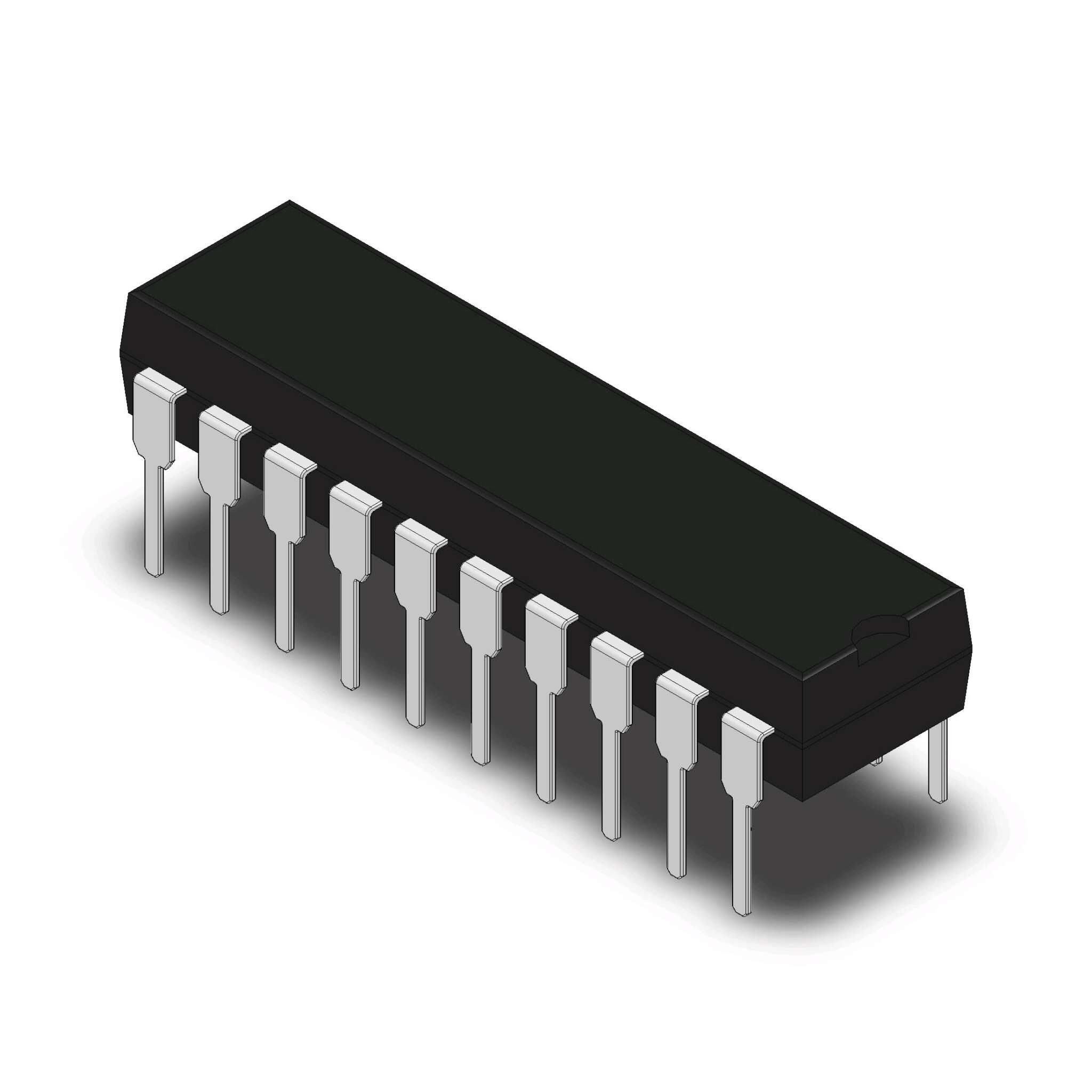 ATTINY26L-8PU 8-Bit AVR Microcontrollers IC PDIP-20EGP 3501 shopchecked 17 days ago
 P8039AHL INTEL 8 bit MicrocontrollerEGP 3501 shopchecked 14 days ago
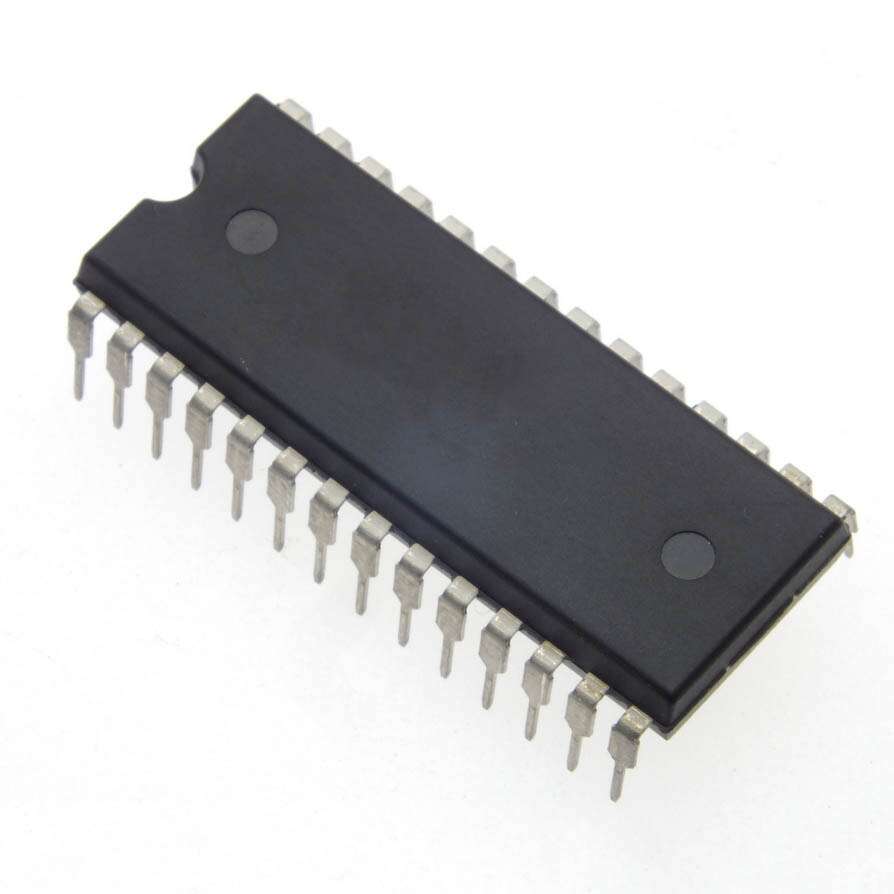 D4364C-15L 8-BIT Static CMOS RAM 28-Pin DIPEGP 3501 shopchecked 28 days ago
 STC-1000 Digital Temperature Controller 110-220VAC with TransformerEGP 3301 shopchecked 13 days ago
 MC6821P Peripheral Interface Adapter 5V IC DIP-40EGP 3751 shopchecked 29 days ago
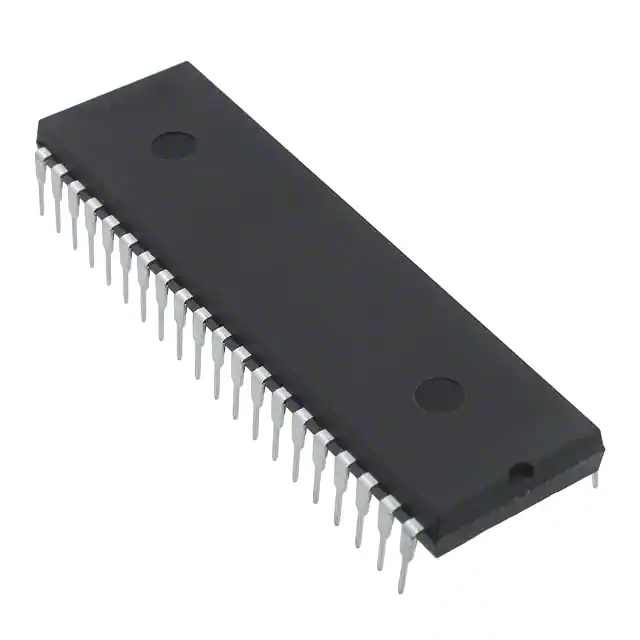 AMD P8086 Microprocessor – 1 Core, 16-Bit 5MHz IC 40-PDIPEGP 3251 shopchecked 18 days ago
 8155 2048-Bit Static MOS RAM with I/O Ports and Timer PDIP-40EGP 3951 shopchecked 15 days ago
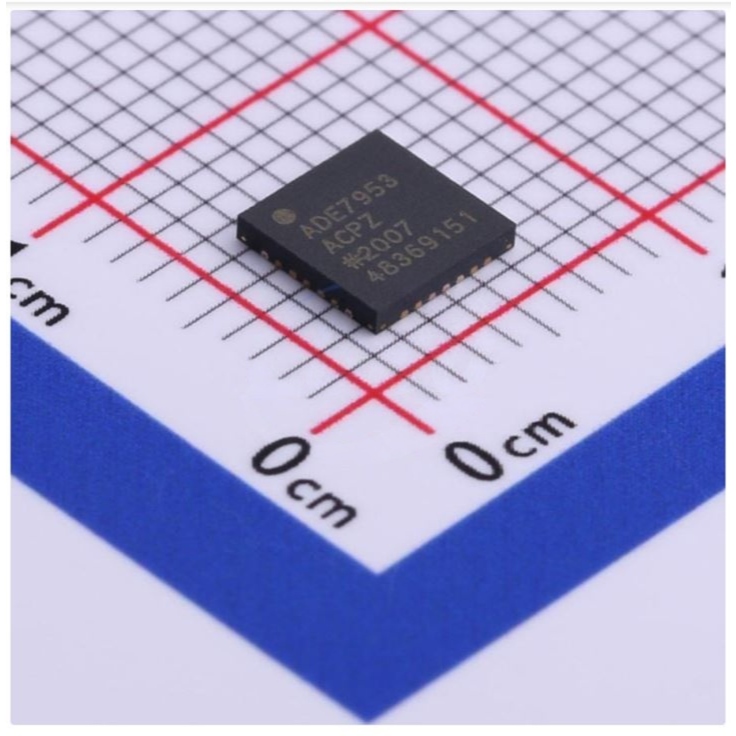 ADE7953ACPZ-RL LFCSP-28(5×5) Single-phase Multifunction Metering SMD IC with Neutral Current MeasurementEGP 3951 shopchecked 17 days ago